
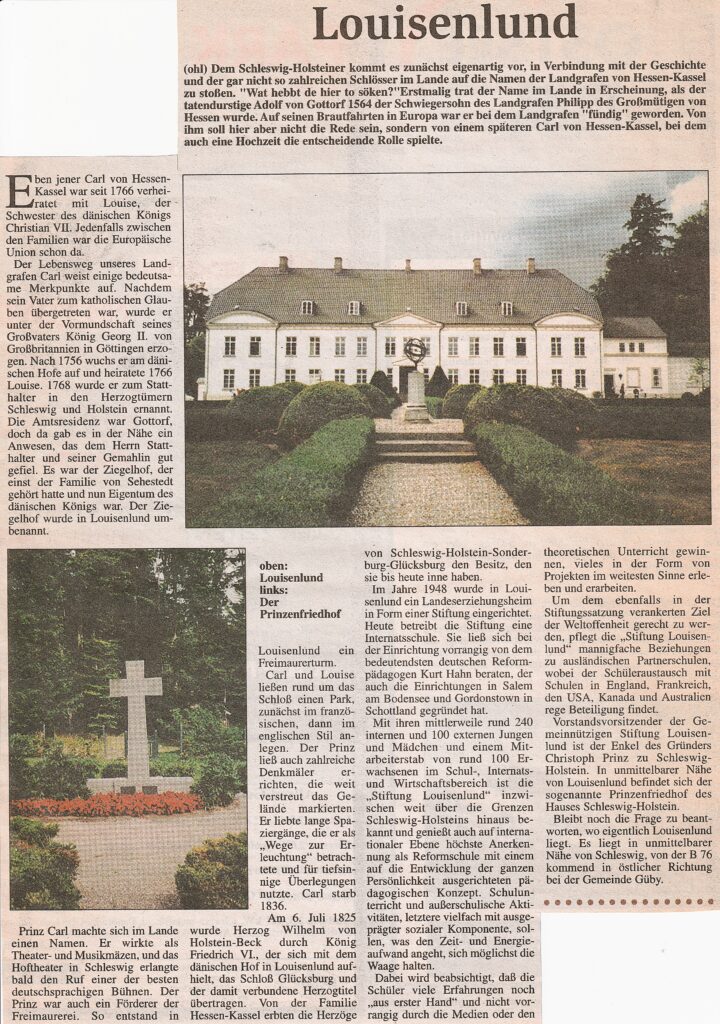
Ehemalige Sommerresidenz des Landgrafen Carl von Hessen-Kassel und seiner Frau Louise, einer Schwester des dänischen Königs Christian VII.
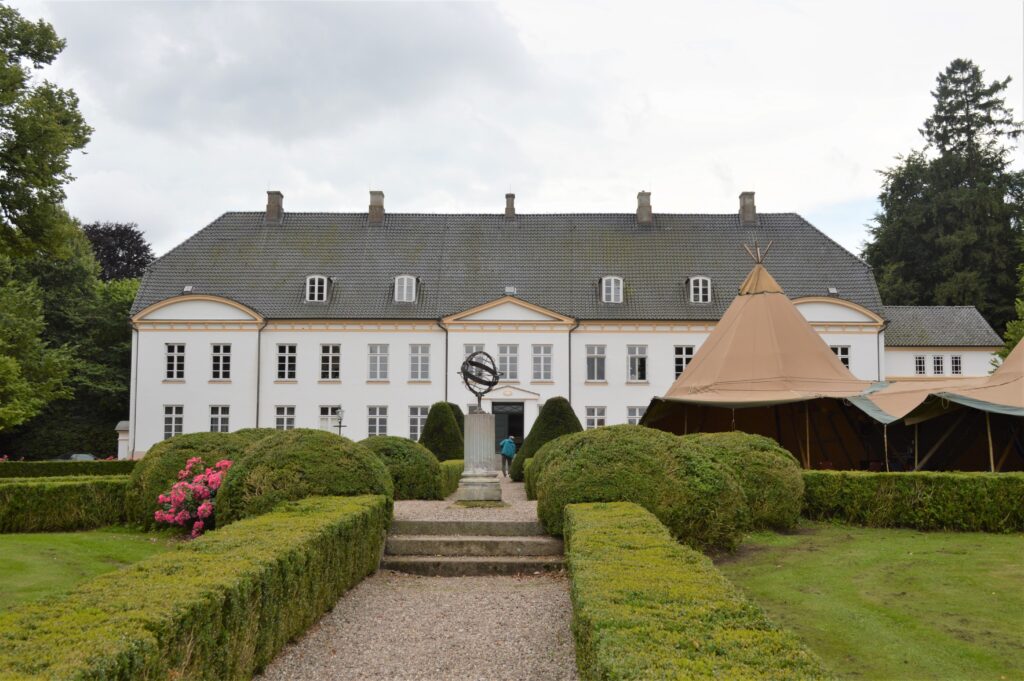

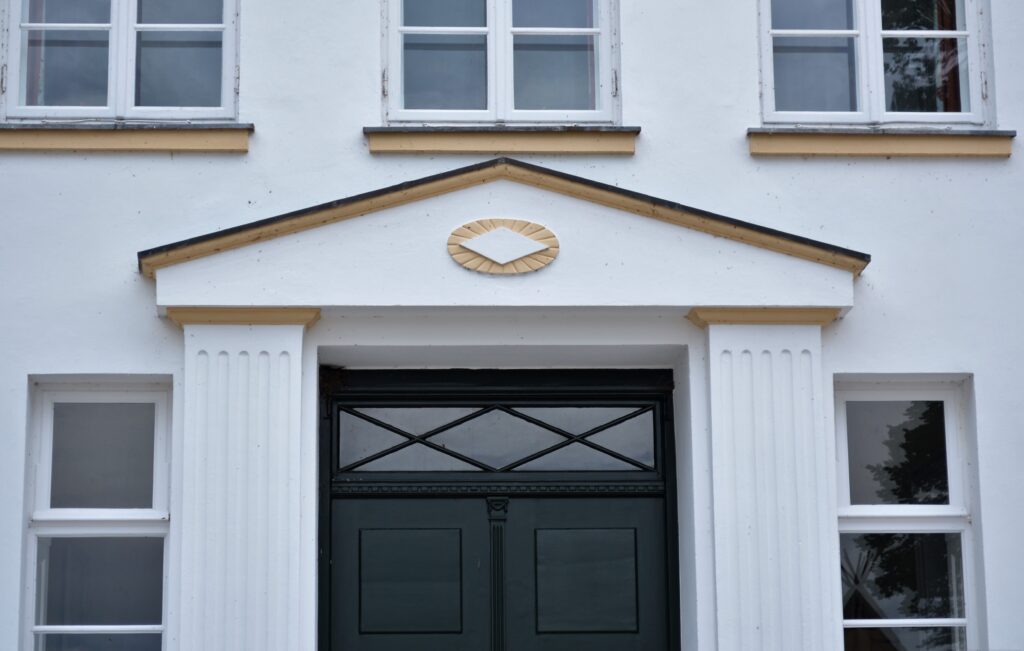
Schloss Louisenlund wurde 1772 bis 1776 von Hermann von Motz erbaut.
Es liegt auf dem Gut Tegelhave (Ziegelhof), das Herzog Adolf von Schleswig-Holstein-Gottorf 1563 von der Familie von Sehestedt erwarb, die es seit 1530 besessen hatte.
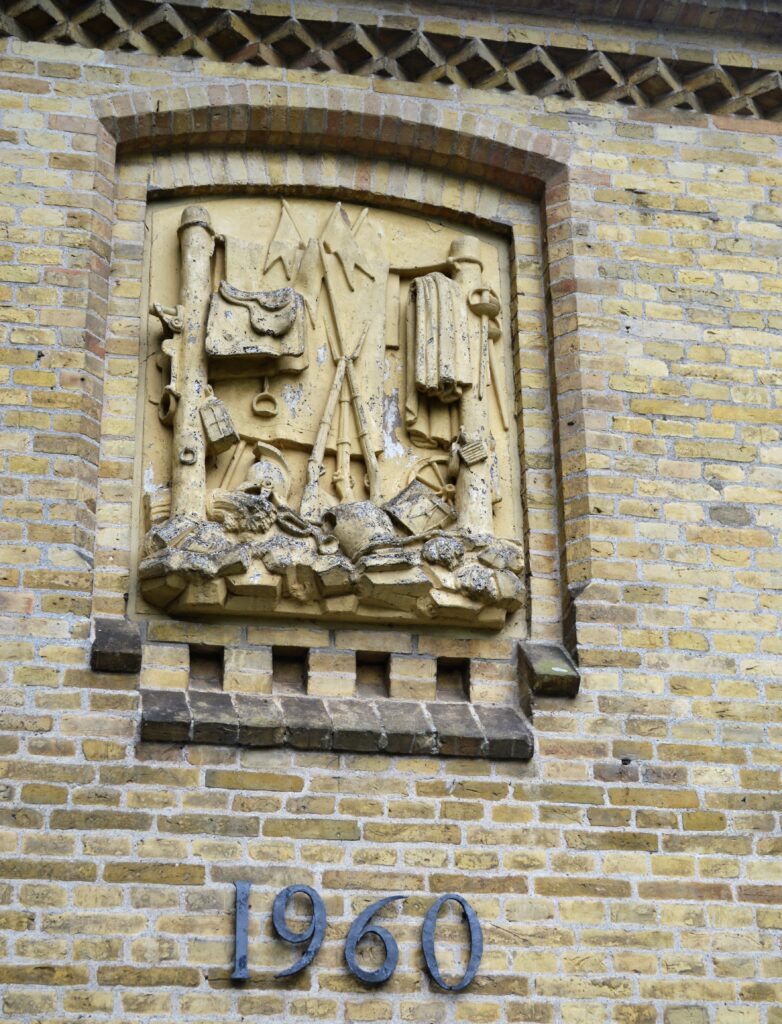
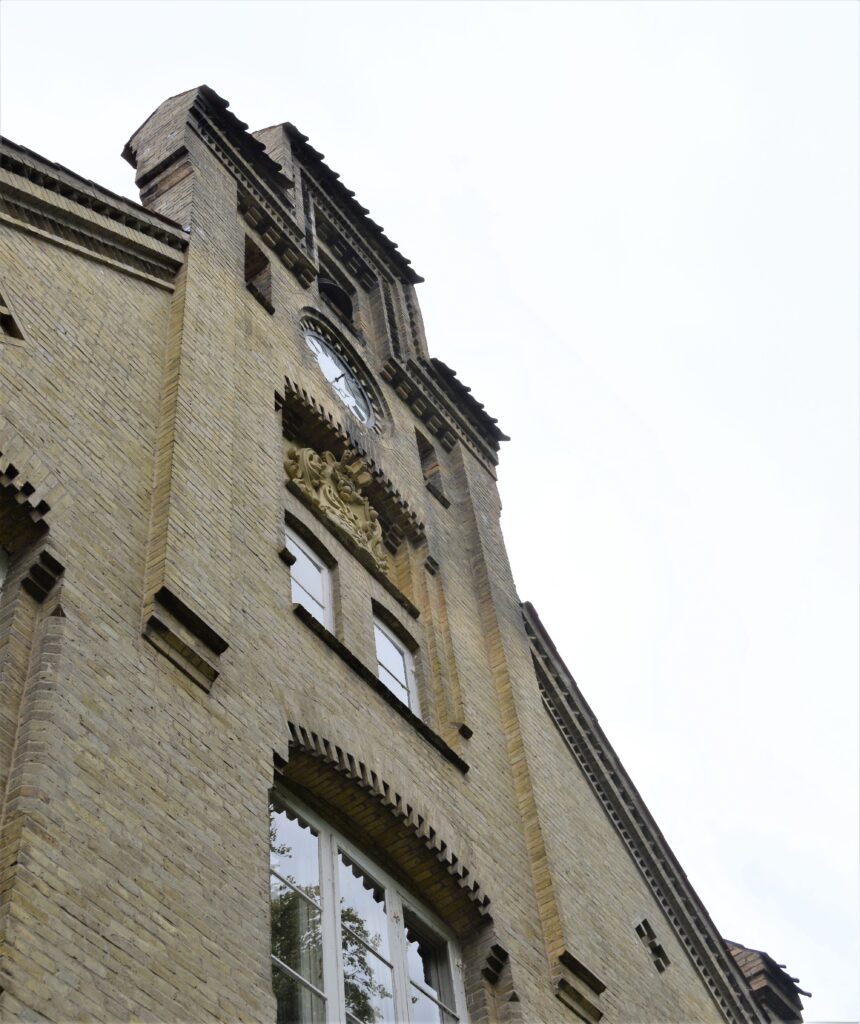
„Louisenlund ist kein adeliger Herrensitz nach der Art der vielen anderen im Lande, sondern ist erst von 1770 ab vom Landgrafen Carl von Hessen erbaut worden als seine Gemahlin, die Landgräfin Louise, dieses Gelände von ihrem Bruder, dem dänischen König, zum Geschenk erhalten hatte.
Damals wurde auch der Park angelegt, und zwar gleich in dem gerade in Mode gekommenen englischen Stil. Hirschfeldt beschreibt ihn ausführlich und preist die Vereinigung von ‚Freygebigkeit der Natur‘ und ‚Fleiß des Geschmacks‘. …
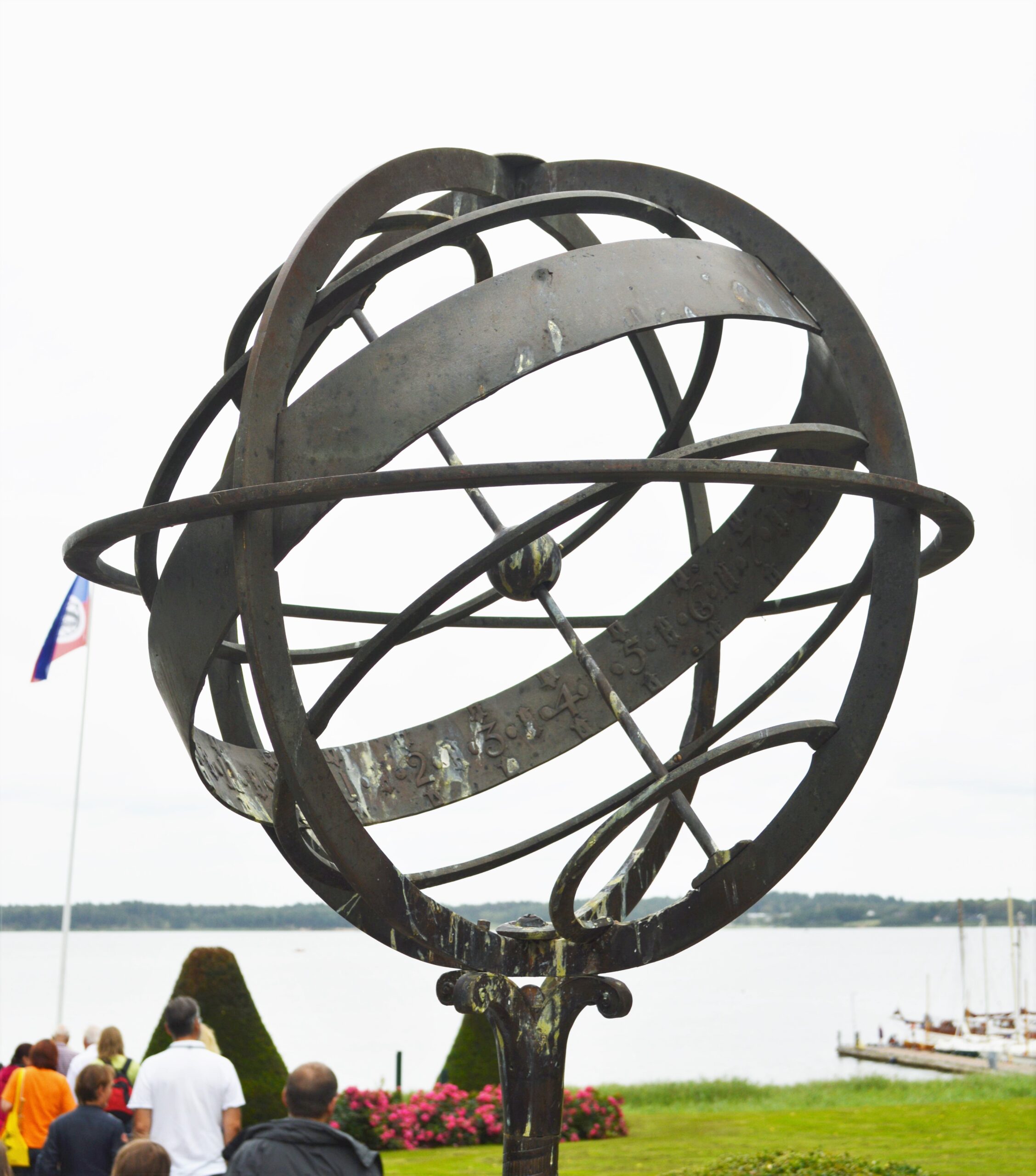
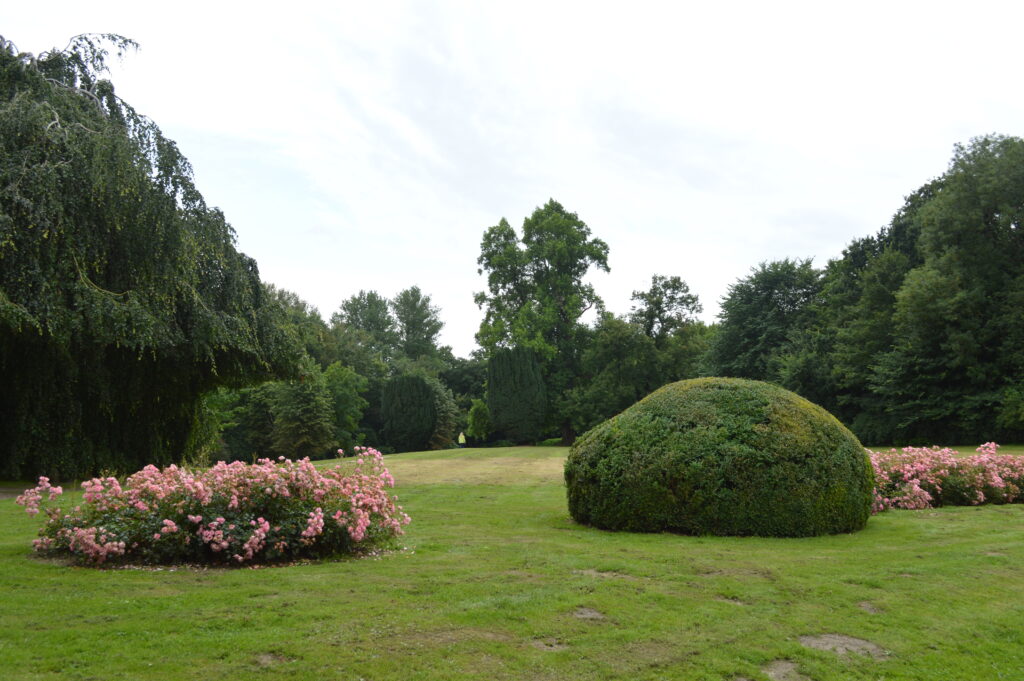
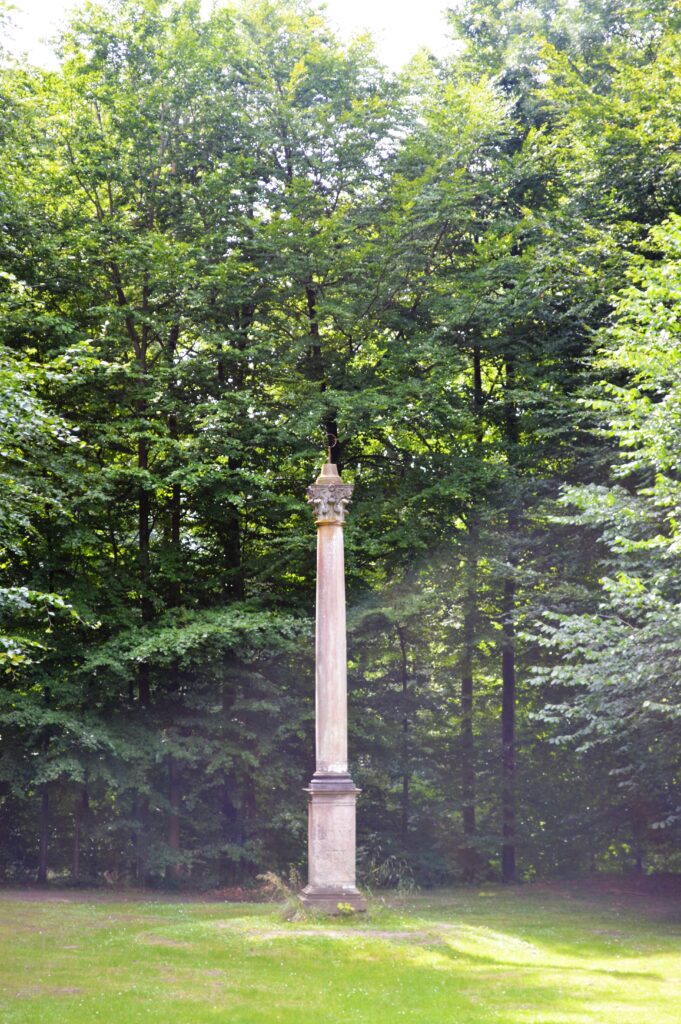
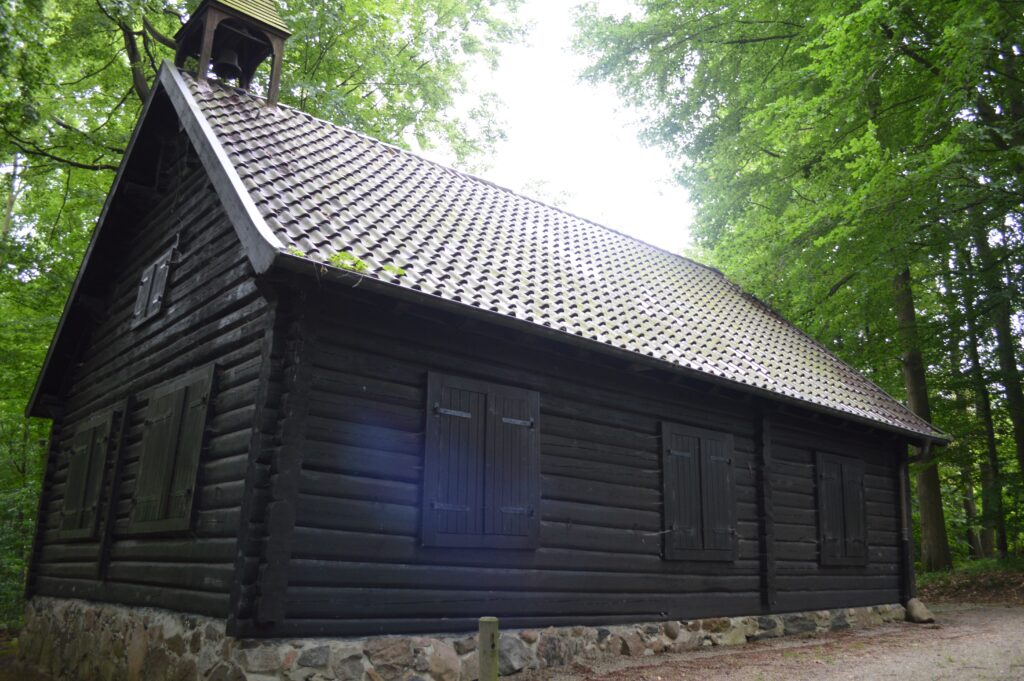
Das Palais, flankiert von schönen Linden, freie Rasenflächen mit Buchsbaumkugeln und einer Sonnenuhr davor, die den Blick auf das Gewässer freislassen; dann der Park nach dem Walde zu, mit manchen gepfropften Bäumen, einem Steingarten, einer aus Norwegen stammenden Blockhauskapelle bei einem Wasserspiel im anschließenden Walde …“
(Textquelle)
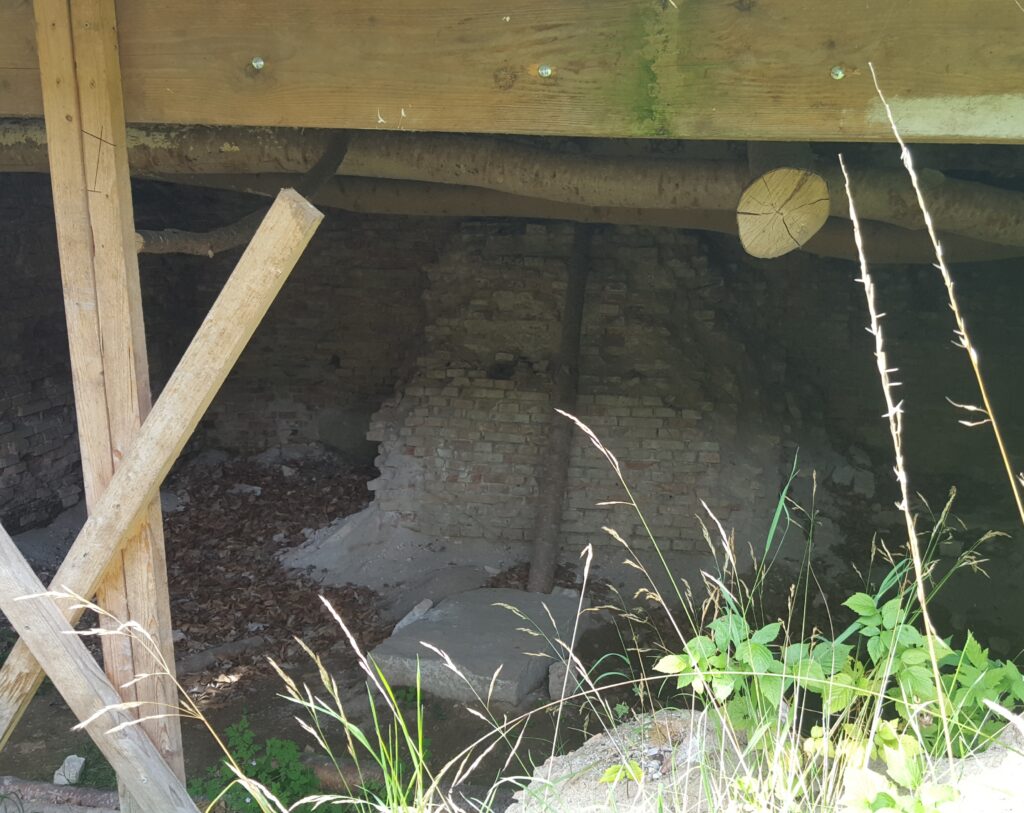
der ehemalige Freimaurer-Turm

1790 errichtete der aktive Freimaurer Karl von Hessen-Kassel im Park des Herrenhauses einen „Freimaurerturm“, in dem Versammlungen abgehalten und alchemistische Experimente, unter anderem vom Grafen von Saint Germain, durchgeführt wurden.
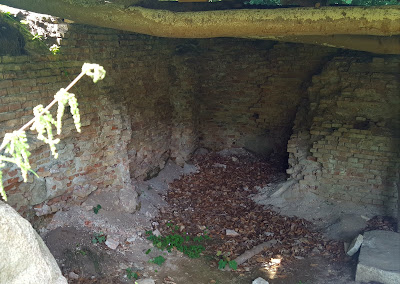
„The head of the Asiatic Brethren in the 1780s and 1790s was the Landgrave Carl von Hessen-Kassel, one of the most fascinating and influential figures at the time in the world of Masonry, Rosicrucianism and hermetic studies. He not only belonged to innumerable orders and rites, but he was a practicing alchemist and was a friend of the mysterious French alchemist, the Comte de St. Germain, whom he harbored during the last years of St. Germain’s life on his estate Louisenlund in what is now Schleswig-Holstein, which he turned into a great center of Masonic and esoteric activity. The park at Louisenlund (about an hour’s drive northwest of Kiel) was laid out in the form of an initiatic journey that involved the candidate passing through a dense wood finding his way through a labyrinth and encountering various alchemical and allegorical images along the way.“
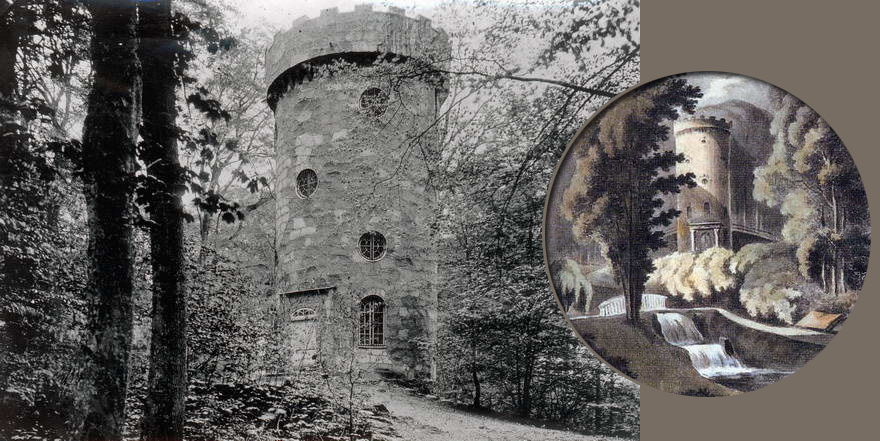
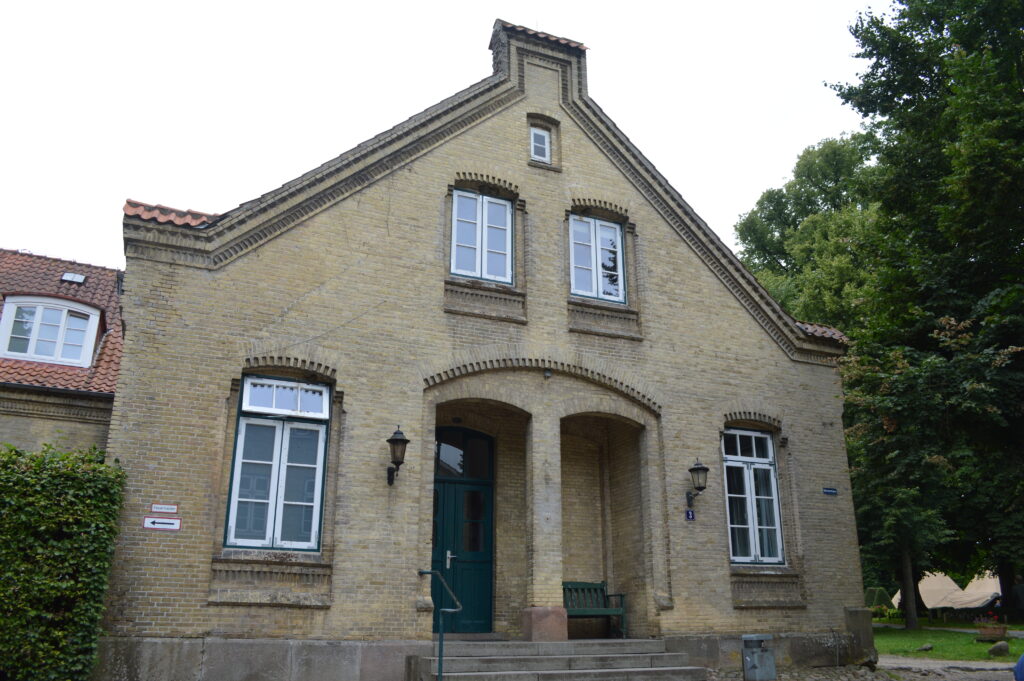
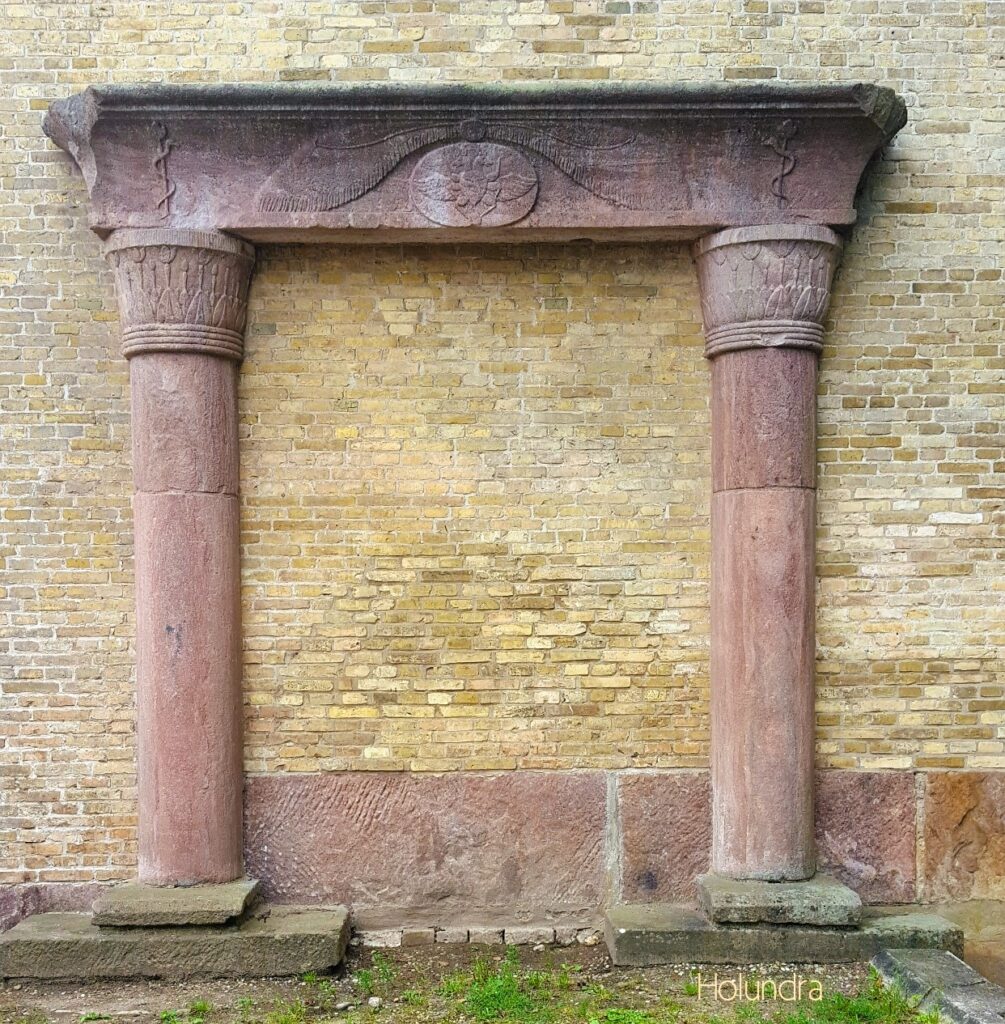
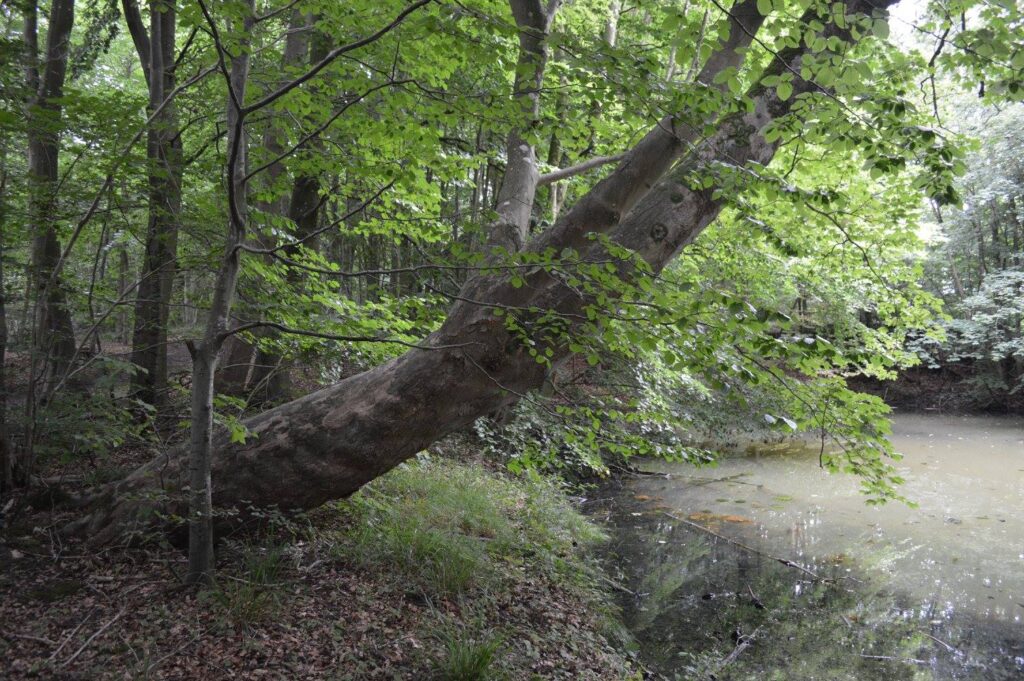
„In the park was an alchemist’s tower with a laboratory and a room where Masonic rituals were conducted. There was also a pond with a secret grotto concealed behind a waterfall, in which the most solemn rituals were held. Over the years, unfortunately, most of these symbolic features have disappeared. All that remains of the alchemist’s tower, for example, is this Egyptian stone doorway which was moved to a different position, and cemented into the wall of a stable building where it stands completely out of context. Today this property belongs to a private school.“
Text: Dr. Christopher McIntosh
der Freimaurer-Park
Der Park wurde von Johann Caspar Bechstedt angelegt.

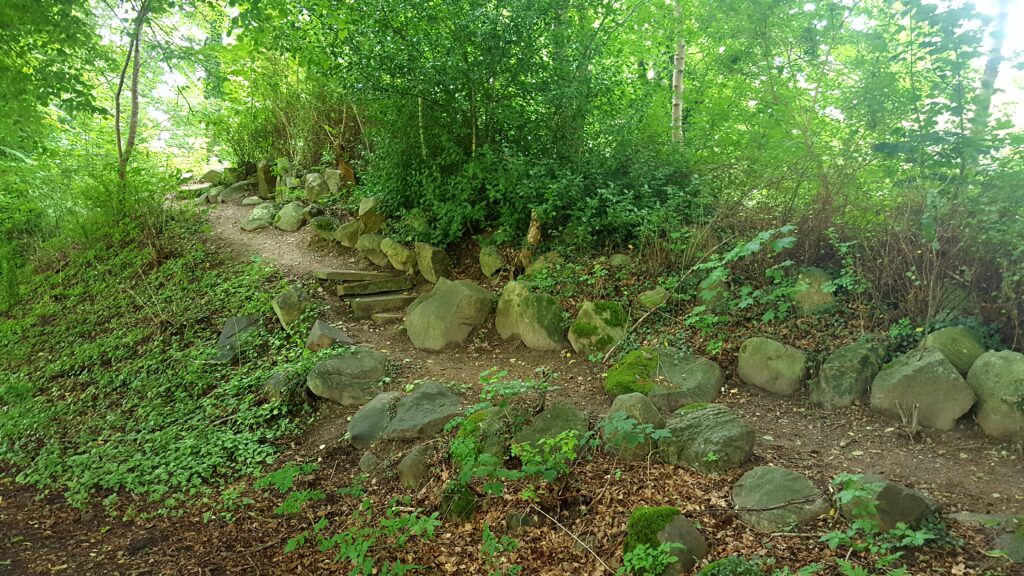
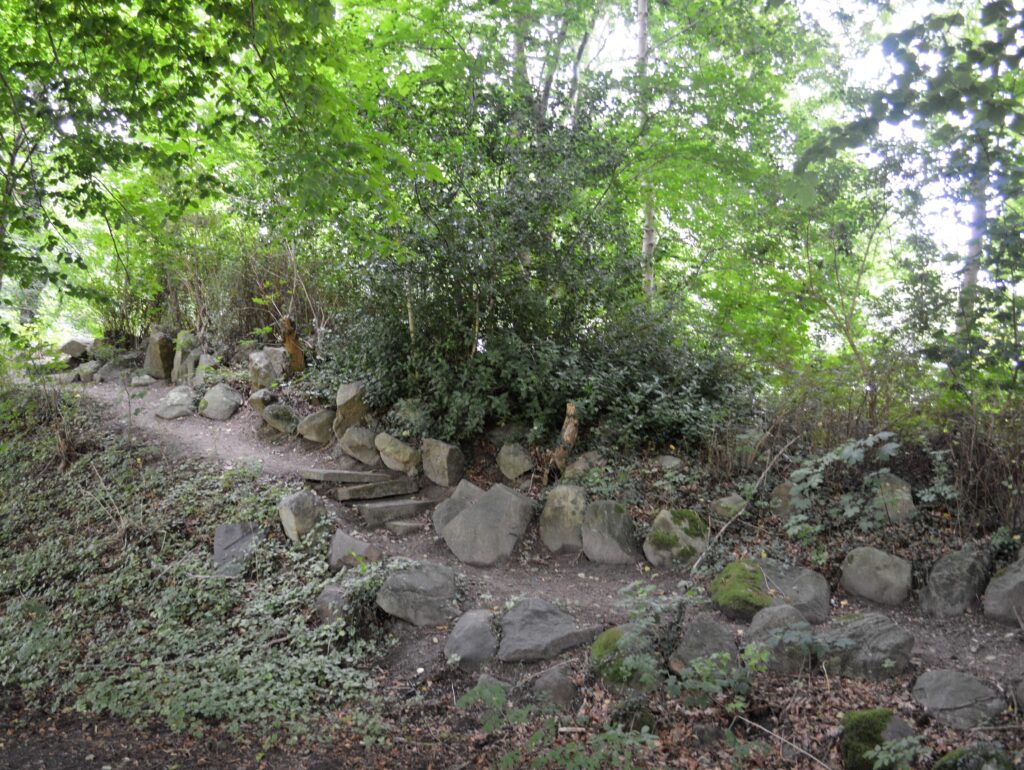
der Felsenberg



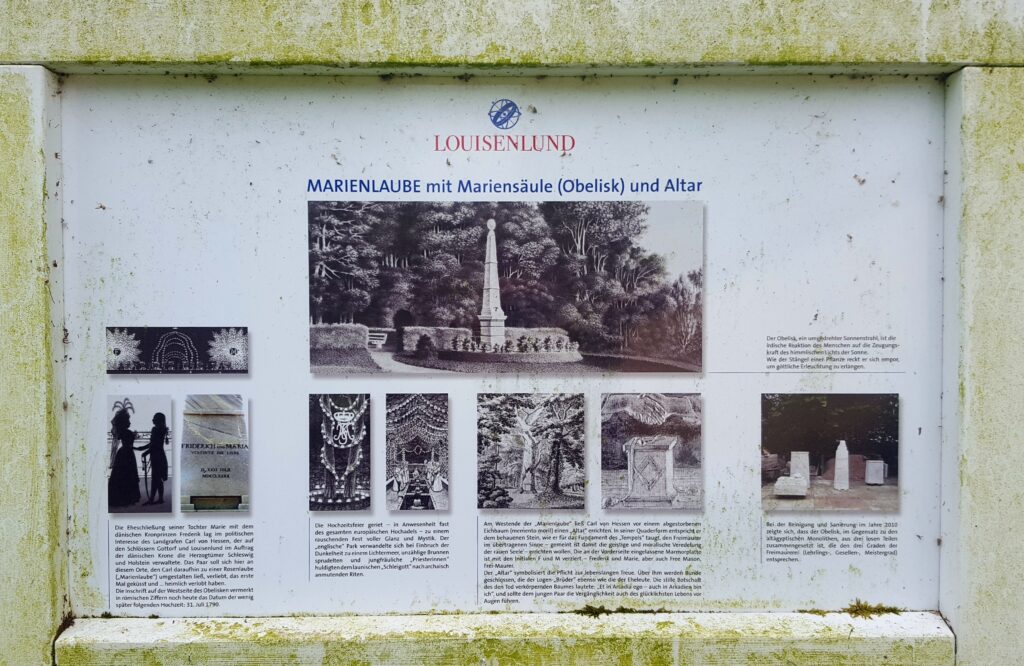
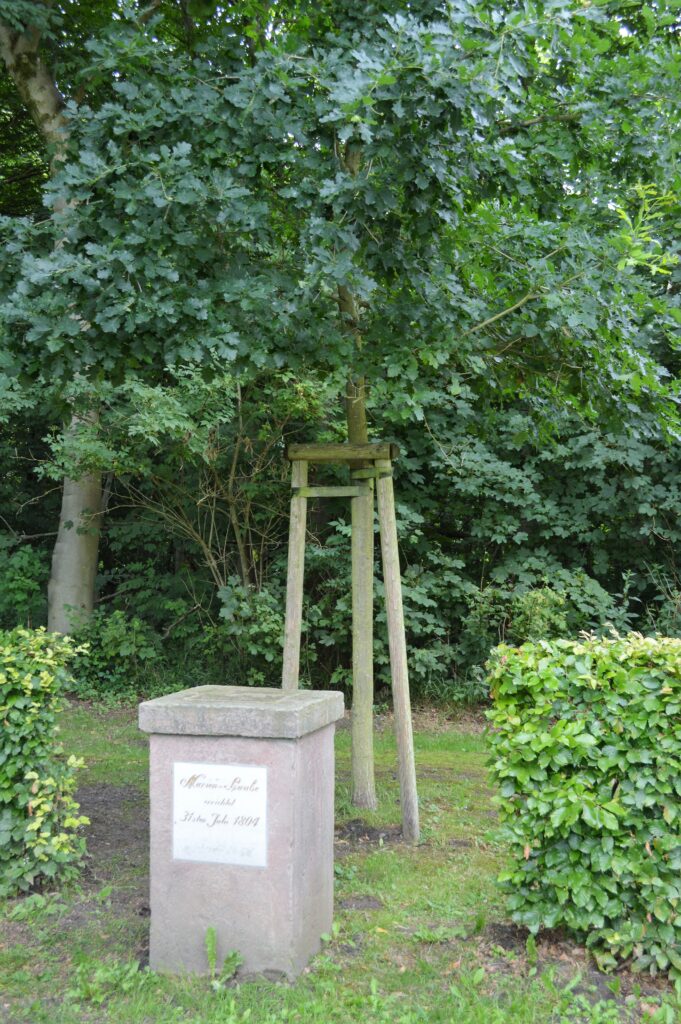
die Marienlaube

Innenräume


im Wald


Buchtipp
Kommentare
Ein Kommentar zu „Louisenlund“
[…] 1780 gemeinsam mit dem dänischen Statthalter, Landgraf Carl von Hessen, im Alchemistenturm auf Louisenlund experimentierte.Er stellte goldähnliches Metall her und arbeitete an der Entwicklung von Farben, […]